Allocating Purchase Price for Dental Practices
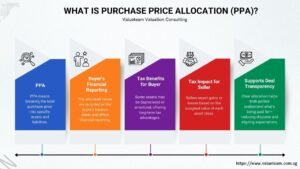
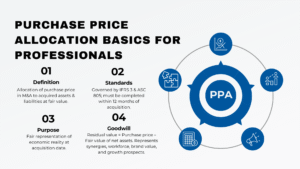
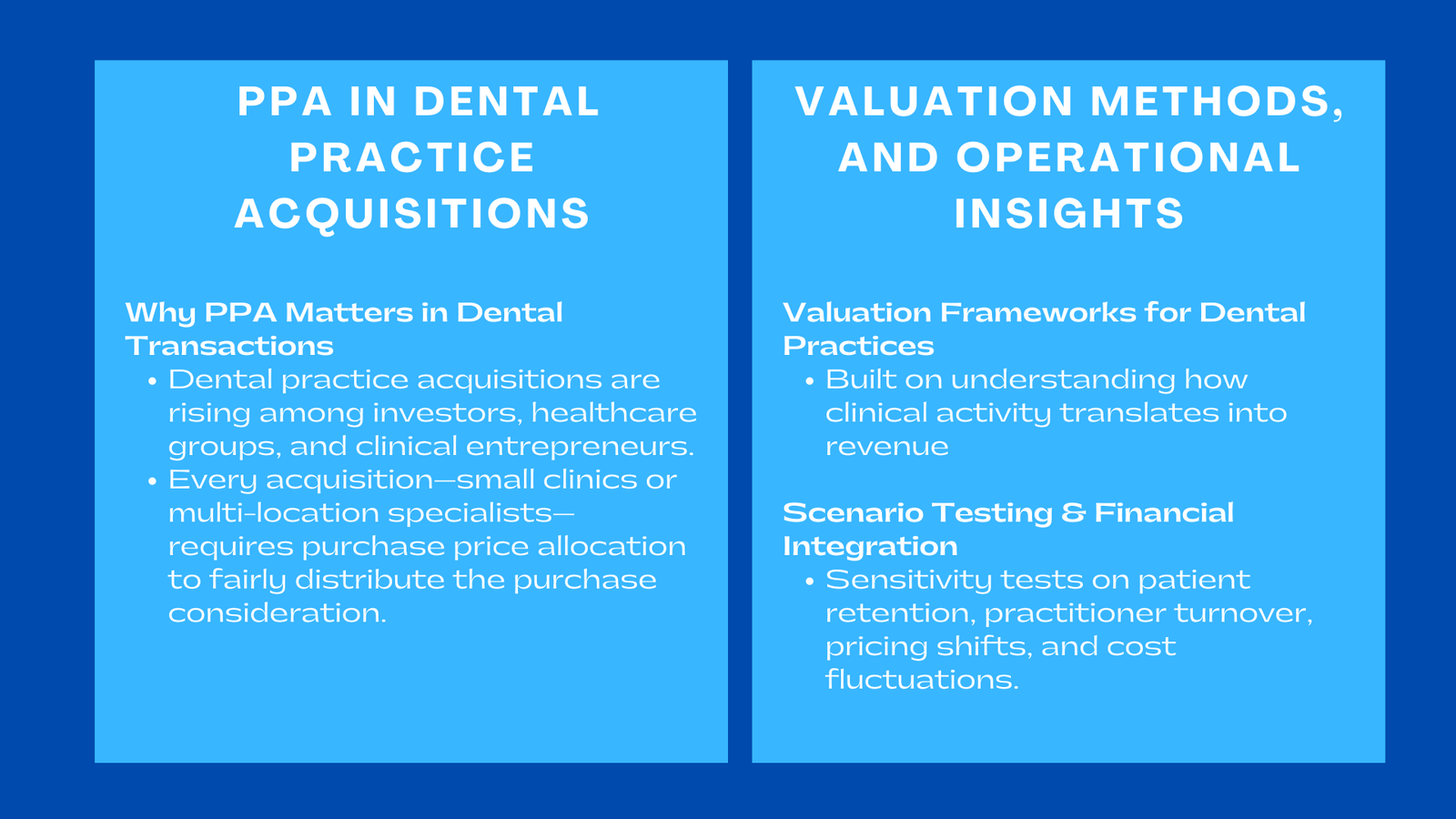
Purchasing of dental practices has been continuously increasing with the desire of private investors, health care organizations, and clinical entrepreneurs to find recession-resilient and stable values in the healthcare industry. Such sales can be an acquisition of smaller single-dentist practices, or broad multi-location specialty practices that provide orthodontics, implantology or cosmetic dentistry. No matter the size, all acquisitions need to employ a process to apportion the purchase consideration as concerned the identifiable assets of the practice. This is called dental practice purchase price allocation that is necessary in the promotion of transparency, compliance with regulations, and post-acquisition financial reporting, especially for investors seeking guidance on how to conduct a purchase price allocation PPA valuation Singapore in alignment with industry expectations.
Dental practice has its own peculiarities than the conventional service businesses. They are mostly attached to the reputation of a practitioner, the repeated visits of the patient, the mix of treatment, the hygienic schedules, and the relationships developed over several years. The latter intangible elements complicate purchase price allocation and make it more strategic. In addition, the healthcare industries do not have lax reporting requirements, particularly in cases where the acquirer is embracing global accounting standards. It is in this that a systematic healthcare IFRS guiding handbook would become critical whereby the allocation will represent not only the economic nature of the dental venture but also the legal framework governing healthcare providers.
Why Purchase Price Allocation Matters for Modern Dental Clinics
Bridging Transaction Value With Clinical and Operational Realities
Intangible value drivers have a lot of influence on dental practices. The patients select the providers with the influence of trust, perceived competence, familiarity over the long term, and the results of treatment. Such aspects have an economic value yet they are not reflected on the balance sheet unless they are rightly identified and valued. When an acquisition is to occur the negotiated transaction price will include the equipment, leasehold improvement, as well as the relationships of the patients and the reputation of the treatment and predictability of continued production.
Purchase price allocation is designed by converting this mixed-value transaction into a form of identified assets. It explains what part of the price is associated with dental equipment, what part is associated with clinical software systems, and such is associated with patient lists, and what part should be considered as goodwill. In circumstances where a dentist has gone further to work after the sale of the services, allocation can be further refined as part of the perceived value can be personal goodwill as opposed to business goodwill. Properly set allocation will allow that the financial reporting will represent the real economic set-up between seller and buyer.
This rational, systematic planning grounds the deal into the overarching objectives of the buyers of either merging various clinics, streamlining service provisions, or launching into profitable dental specialties.
Rising Complexity in Healthcare Transactions
Medical care industry is becoming trended towards consolidation. Many individual clinics are being sold to dental corporations, multi-specialty networks and others that are privately financed using equity and invested by various types of corporations, as well as to create regional clusters. Consequently, the regulators and auditors will have high reporting requirements even in small practices.
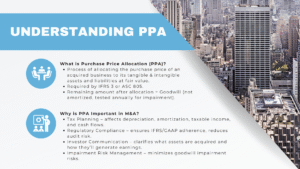
Within the contemporary understanding of the IFRS, the acquisition of dental practice should be conducted in accordance with obvious principles: identifiable assets are to be allowed to be valued at their fair value, intangible ones are to be assessed in terms of their contribution to future economic value and goodwill is to be justified using rational residual approach. The healthcare IFRS guide allows compliance with an anchor, which makes the allocation comply with the requirements of IFRS 3 of business combinations, IAS 16 of clinical assets, IAS 38 of intangible assets, and IAS 36 of impairment of goodwill.
This framework enhances transparency and shields the acquirers against misrepresented earnings, wrong depreciation flows, and future impairment of the risks. It further makes the financial statements of the dental practice compatible to be integrated into larger healthcare groups.
Foundations of Valuation Modeling in Dental Practice Deals
Designing and Structuring the Valuation Model
The calculation of a dental practice commences with the appreciation of how clinical services are altered into economic performance. The model is based on patient flow, hygiene recall cycles, treatment mix, dentists productivity, and costs of operations. These working facts have to be incorporated in an organized system of valuation, which makes the projection of cash flows against the assessment of assets based on the assessment of intangible assets.
It is on this model that the enterprise value is derived and hence the route to allocation of purchase price. An efficient valuation model should also be able to associate the cost architecture of the practice like dental supplies, costs of the lab and staffing to the drivers of the revenue. It should also be in consideration of the influence of current equipment, application of technology and dependence that the practice may have on certain clinicians. This transparency will make the division of the purchase price based on operational rationality and consistent with the IFRS principles.
Valuation Approaches Applicable to Dental Clinics
A combined valuation mode is usually necessary in a dental practice. The income method gives us an idea of the capability of the practice to create the predictable future cash flows, and this is particularly applicable to clinics where the hygienic program or other frequently repeated orthodontic schemes is stable. The market strategy is based on the sales of similar practices, which should be modified according to the location, specialty of service mix, and variations in dentist owning systems.
Physical assets need to be evaluated in the real world i.e. fair value of dental chairs, sterilization system, digital X-ray machine, scanners and clinical software. Most of these practices have a hefty investment in the present day imaging or CAD/CAM technology and their worth must be estimated using the remaining useful life and replacement cost.
It is not unusual that intangible assets can be the ones that are more economically significant. These are usually in the form of lists of patients, routine scale of appointments, referral groupings, brand name, and protocols of treatment that have been developed inhouse. Their value is calculated by attempting to estimate the financial benefit that these intangibles will produce in the long run disregarding the personal goodwill of the dentist.
New value (purchase price minus the value which can be assignee to identifiable assets) is eventually represented by goodwill. The element of goodwill is often portrayed as an anticipation of long term profitability even though the conditions of patient retention and changing the clinical capacity following an acquisition are unpredictable.
Scenario and Sensitivity Evaluation
Since most dental practices are mainly people-oriented and the loyalty of a patient has a significant impact, the assumptions should be pressure-tested. The retention rate of the dentists, the change in the number of patients, the revision in the price of some of the treatments, and the fluctuations in the operating costs have the potential of significantly impacting the fair value of the practice.
Scenario testing gives an understanding of the level of sensitivity of the intangible asset values to patient behavior or the level of dependence on a single practitioner of a given practice. Sensitivity analysis is particularly significant in estimating the losses of the patient list or the addition of a new specialty service which has been introduced like implants or orthodontics. The testing of these assumptions would make the allocation more defensible as well as in line with clinical risk in the real world.
Integrating Healthcare Accounting Standards With Dental Operations
The purchase price allocation should contain the arrangement of operations of the practice. Dental equipment will be depreciated according to its useful life and the intangibles on behalf of patients will be amortised on the basis of the expected contribution. The budgeting should be incorporated with the protocols of healthcare IFRS guidelines so that this budget is accurate in the later employment of financial statements.
This alignment has an impact on the performance of EBITDA, tax planning, impairment testing, and future capital budgeting. Whenever the valuation assumptions are transformed into the accounting results appropriately, the financial statements provided under the practice provide a more precise depiction of clinical and business risk in terms of financial performance.
Applying Valuation Methods to Clinical and Operational Assets
From Purchase Agreement to Post-Acquisition Reporting
As soon as the acquiring company makes the purchase, it needs to bring the negotiated price into a system of allocated values of both tangible and intangible goods. This will demand a lot of documentation, equipment condition assessment, inventory check, and qualitative analysis of patient relations. The allocation when made will be entrenched into the accounting system of the practice and will stipulate depreciation schedules, amortization pattern, goodwill which should be annually tested to determine an impairment.
This well organised strategy promotes reduced integration into multi-clinic platforms, lenders and investors are assured of reporting integrity and the dental practice is placed in the position of financial transparency in the long run.
Portfolio-Level Oversight for Dental Groups
Many dental groups that have a number of clinics in a region operate with the swiftly growing pace of the consolidation. By having a uniform process of apportionment of purchase prices, these groups are also able to compare the performance of the various clinics and also to know which ones are largely reliant on the clinical leadership and also where they can invest in them.
An open distribution enables portfolio managers to understand which issues have been working on and which ones have not worked, refine integration solutions and be ready to carry out future refinancing or selling off operations.
Valuing Intangible Dental Assets Under Clinical Uncertainty
There should be a prudent mixture of qualitative knowledge and quantitative modeling when having dental intangibles. The lists of patients especially should offer retention probability estimates, frequency, and stability of the treatment mix. Also, brand identity and referrals networks should be evaluated with respect to influencing new patients inflow.
These analyses are susceptible to the retention of major clinicians. Selling dentists may also be retained after an acquisition, so much of the value could be personal goodwill as opposed to business goodwill which makes allocation a difficult task. This is what complicates the analysis of the valuation of intangibles, which is one of the most delicate issues about dental PPA.
Evaluating Uncertainty and Future Performance in Dental Transactions
Developing Clinical-Financial Awareness
Individuals who go through PPA get a better insight of how clinical performance can be converted into financial value. They would know what services produce the greatest lifetime value, implement hygienic programs to generate recurring revenue and also what inefficiencies in its operation erode profits.
This consciousness enhances strategic choices on workforce, investment in equipment, services expansion or location upgrading. Financial transparency creates some sort of competitive edge in a highly saturated and even more consolidated industry.
Strengthening Stakeholder Communication
An easy to defend allocation increases the transparency of the company with banks and investors as well as with regulators and clinical personnel. Dental practices with observed disciplined valuation and strict adherence to the IFRS are better placed to receive financing, negotiating partnership and tend to acquire in the future. It sends a message to the stake holders that the practice is professionally managed whereby there is a financial infrastructure to support its clinical activities.
Aligning Dental Operations with IFRS Healthcare Reporting Standards
Using Digital Tools and Data to Enhance Valuation Precision
The most common forms of practices management software, digital imaging system, scheduling of patients and billing platforms are generating large volumes of data in the modern dental practices. Incorporation of this information in the valuation process improves the accuracy of the forecast of revenues, analysis to retain patients and valuation of the intangible assets.
Automation techniques may also facilitate allocation procedures as it may provide dynamic templates of depreciation, amortization, and enterprise value adjustments. These solutions assist in continuous adherence to the IFRS standards and minimize human factors in complicated healthcare reporting procedures.
Aligning Data Systems With Long-Term Reporting
When the valuation models are integrated with the production and billing data, the financial reporting system will get into a living mode and will track the actual clinic performance. This incorporation aids in the improved decision-making process, enhanced predicting, and the case of a more fluid audit review, which enhances the credibility of the financial statements throughout the lifecycle of the practice.
Practical Execution of PPA in Dental Practice Mergers and Buyouts
Professionalization of Financial Management
Even a small dental clinic is taken to the next level of management through a strong PPA, which is run professionally as a healthcare enterprise. It enhances financial discipline, asset significance, and incentivizes the strategy in capital deployment based on fair value consideration.
The clinics that need financing, expansion, or align to larger dental networks must have this professionalization requirement.
Adaptability in Evolving Market Conditions
The dental markets are changing due to improvement in the clinic technology, patient expectations and the regulatory policies. An organized concept on valuation drivers can give the practice owners the flexibility to change. They can base their decisions on economic and measurable value whether negotiating pricing changes, staffing issues or new service possibilities.
Strengthening Institutional and Investor Confidence
Purchase price allocation is made clear in order to minimize uncertainty to investors and lenders. It will help the dental practice to survive the audit examination of its financial reports and be able to meet the healthcare reporting requirements of the industry. This trust helps in expansion, purchases and sustainability of the business.
Conclusion to Allocating Purchase Price for Dental Practices
Purchase price allocation is an essential part of the modern transactions in the sphere of the dental practice. It converts the clinical, operational and reputational strengths of the dental clinic to structured financial reporting in IFRS terms. Through the lens of dental practice purchase price allocation and under strict healthcare IFRS guidelines, practice owners and investors will have an outstanding insight on the actual economic worth of the operation.
With the ever-fastest consolidation in the healthcare arena, informed valuation and proper distribution will enable dental practices to sail through growth, partnership, and reporting requirements with a sense of certainty and authoritativeness.